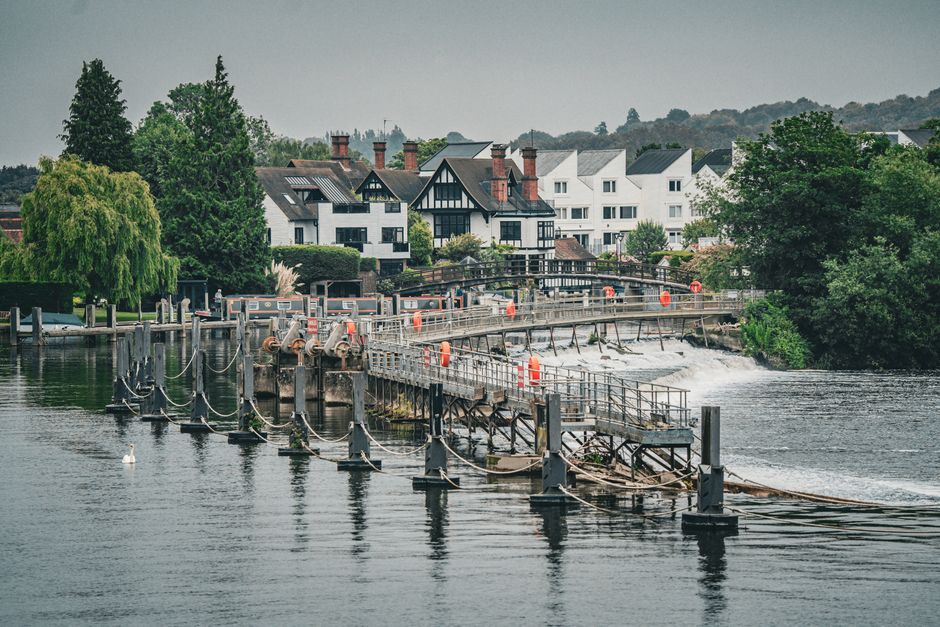
Riverside gardeners for Kingston Bridge and Thames homes

If you live near Kingston Bridge or along the Thames, your garden has its own character: more light bouncing off water, more wind funneling between buildings, and often a little less forgiveness when weather turns rough. That is exactly why Riverside gardeners for Kingston Bridge and Thames homes need a slightly different approach from a standard suburban gardening job. The best results come from knowing how to work with moisture, exposure, shade, privacy needs and the practical rhythms of riverside living.
This guide walks through what makes riverside garden care different, how experienced gardeners approach these homes, and which improvements give you the most value without creating extra maintenance later. Whether you want a tidy front plot, a calm courtyard, a family-friendly outdoor space, or a low-fuss planting scheme that can survive a blustery evening by the water, you'll find the practical detail here. Let's face it, a riverside garden should feel like an advantage, not a constant repair job.
Why Riverside gardeners for Kingston Bridge and Thames homes Matters
Riverside gardens do not behave like gardens tucked into a sheltered back street. Near Kingston Bridge and the Thames, conditions can shift fast: a sunny morning can become a windy afternoon, shade patterns move with neighbouring buildings, and damp can linger where air circulation is poor. A planting plan that looks lovely on paper may struggle if it is not suited to the site.
That matters for two reasons. First, poor plant choices waste money and time. Second, an outdoor space that underperforms can quietly affect how you use the whole home. If the lawn never settles, the hedge gets battered, or the patio becomes slippery and neglected, you stop enjoying the garden. And once that happens, maintenance tends to snowball. One small issue, then another, and before long you are looking at a full reset.
Riverside gardeners understand the practical side of these homes: wind exposure, moisture management, privacy from neighbouring walkways, and the need for elegant but resilient planting. They also understand that many Thames-side gardens are compact, which means every square metre has to earn its keep.
For homeowners considering a broader refresh, a good starting point is often to pair regular care with selective improvement. That might mean structured pruning, a simpler lawn plan, better drainage habits, or a staged makeover through ongoing garden maintenance. If you are weighing up a bigger transformation, landscaping support can be the difference between a patchy outdoor area and one that feels genuinely designed.
How Riverside gardeners for Kingston Bridge and Thames homes Works
Good riverside gardening starts with observation. Not just "What plants do you like?" but "Where does the wind hit first?", "Which parts hold moisture after rain?", and "What do you need the space to do on a Tuesday evening in April, not just on a perfect summer day?" That sounds simple, but it is where many problems are either prevented or created.
The process usually follows a practical sequence:
- Site review - The gardener checks light, drainage, access, boundaries, and exposed spots around the property.
- Task prioritisation - Safety issues, overgrowth, poor surface conditions and plant stress come first. Cosmetic work comes after the essentials.
- Plant and material selection - Species, mulch, edging, and hard landscaping details are chosen for resilience as much as appearance.
- Implementation - This may involve pruning, turf care, patio cleaning, hedge shaping, planting, or structural garden improvements.
- Follow-up care - The garden is set up so it can stay healthy with manageable maintenance, not constant intervention.
In real terms, this often means choosing tough, versatile materials and plants rather than chasing trends. A riverside courtyard might benefit from layered containers, wind-tolerant shrubs and a neat seating corner, while a larger Thames home may need tree management, hedge screening and a more durable lawn strategy. If you are working with a tight footprint, container planting can be a smart way to add colour without crowding the space; patio container techniques are especially useful for small paved areas.
There is also a seasonal side to how this works. Spring often exposes winter damage. Summer reveals which borders dry out too fast. Autumn tells you whether drainage and pruning were handled properly. And winter, well, winter is the honest one. It shows you what is truly hardy.
Key Benefits and Practical Advantages
Riverside garden care is about more than keeping things tidy. When it is done well, the benefits are both visible and quietly practical.
- Better plant survival - The right species and routines reduce losses from wind, damp, and sudden temperature swings.
- Improved privacy - Hedges, climbers and layered planting can soften views from footpaths, neighbouring homes and riverside traffic.
- Cleaner outdoor living areas - Patios, decking and seating spaces stay more usable when they are kept clear, washed and well-drained.
- Lower long-term effort - A smart planting scheme is easier to maintain than a high-drama garden that constantly needs rescuing.
- Better kerb appeal - A well-kept riverside frontage simply feels cared for, which matters if you host often or are thinking ahead to resale.
There is also the emotional payoff. Gardens near the Thames can feel restorative when they are designed properly. You hear a bit of water movement, a little wind in the planting, and the whole place starts to feel calmer. That is not sentimental fluff. It changes how people use the space.
For example, a family may want a garden that is safe, attractive and not constantly muddy after rain. In that case, a combination of durable ground cover, lawn care and selective hard landscaping often works better than a full ornamental layout. If you are looking for inspiration, the guide on ground covers that transform a space is a useful companion piece.
And if your garden is already tired, patchy or half-finished, a structured refresh can work wonders. A good garden makeover project does not have to mean a full rebuild; sometimes the right sequence of pruning, replanting and surface cleaning is enough.
Who This Is For and When It Makes Sense
This kind of gardening service makes sense for a wide range of properties around Kingston Bridge and the Thames, but the strongest fit is usually one of these:
- Homes with exposed gardens that feel battered by wind or lose shape quickly.
- Townhouses and terraces where privacy and structure matter more than expansive planting beds.
- Family homes that need low-maintenance, safe and usable outdoor space.
- Properties with mature trees or hedging that need careful trimming and control.
- Homes with patios, decking or paved areas that need regular cleaning and upkeep.
- Owners who are time-poor and need reliable, repeatable results rather than occasional rescue work.
It also makes sense when you are facing a specific issue rather than a full overhaul. Maybe the hedge has become unruly. Maybe the lawn has thinned out. Maybe you want a quieter, more sheltered seating area. Maybe the decking is starting to look neglected and slippery. In those cases, specialist work is often the simplest route. For example, regular trimming and shaping through hedge trimming in Hampton Wick can improve structure and privacy in one go.
Not every homeowner needs a big design statement. Some just need the garden to stop being a problem. That is fair enough. A well-run riverside garden should support your life, not compete with it.
Step-by-Step Guidance
If you are planning work on a Thames-side garden, it helps to think in stages. Rushing straight to planting often creates avoidable headaches. A better sequence usually looks like this:
- Start with the bones of the garden. Check whether paths, patios, fences, hedges and key planting zones are in workable condition.
- Fix safety and access issues. Slippery paving, broken edging, poor lighting or awkward access should be addressed early.
- Tackle overgrowth and weak growth. Pruning, hedge shaping and removal of dead material help the whole space breathe again.
- Improve the surfaces. Clean patios, refresh mulch, level where needed, and restore the appearance of seating zones.
- Choose resilient planting. Use varieties suited to the site's wind, shade, damp and exposure levels.
- Add structure last. Screening, containers, seating, lawn edges and decorative features should complete the design, not hide unresolved problems.
There is a sensible order here for a reason. If you plant before solving drainage or exposure issues, you may be paying twice. If you clean the patio after pruning, you avoid having debris settle back onto the surface. The work just flows better.
A useful example: a compact riverside courtyard might begin with patio cleaning, then move to container planting, then add a few climbers or evergreen screen plants. That sequence gives the property immediate lift and a strong foundation for future maintenance.
If you need broader help, a mix of gardening services and targeted tasks like lawn mowing or lawn care can keep the whole space balanced without overcomplicating things.
Expert Tips for Better Results
Some of the best riverside results come from small decisions that look boring at first glance. Boring is underrated in gardening, truth be told.
- Choose flexible planting layers. Pair structural shrubs with softer underplanting so the garden still looks good if one layer struggles.
- Use containers where soil is difficult. This is especially helpful on paved terraces, patios and balcony-adjacent spaces.
- Go for wind-smart choices. Sturdy stems, compact habits and sheltered placement often outperform "showy" but fragile plants.
- Prioritise drainage awareness. If water sits around roots or on paving, tackle that before adding more plants.
- Plan for privacy early. It is easier to install a screen or hedge strategy before the garden feels overlooked.
- Keep some evergreen structure. Riverside gardens can lose shape in winter; evergreens stop them looking bare and unfinished.
A small but important habit is to check your garden after a stormy day, especially near the river. Look for displaced pots, damaged stems, blocked drains, and loose debris. It takes ten minutes, and it can save you a lot of trouble. During a blustery afternoon in late autumn, that quick walk around the garden can be the difference between a tidy recovery and a soggy mess by morning.
If shade is a recurring issue, do not fight it with random plants. Use species designed for low light and consider climbers that work vertically rather than taking up precious floor space. The article on evergreen climbers for shaded spaces is particularly relevant for this kind of setting.
And if privacy matters more than decorative variety, think in terms of density, texture and height. The guide on fast-growing hedges for privacy shows how practical screening can still look polished rather than heavy-handed.
Common Mistakes to Avoid
Riverside homes are forgiving in some ways and unforgiving in others. The most common mistakes are usually not dramatic. They are just repeated enough to cause real damage.
- Using thirsty, delicate plants in exposed spots. They may look lovely in the nursery and fail quickly at home.
- Ignoring wind tunnels. A sheltered corner and a blast zone may be a few metres apart, but plants will behave very differently.
- Overcrowding small spaces. Compact gardens can feel claustrophobic if every inch is packed with planting.
- Skipping surface maintenance. Algae, moss and grime creep in quietly on patios and decking.
- Choosing style before structure. If the garden does not function, the styling ends up fighting the site.
- Forgetting seasonal change. What looks lush in June may look very bare and tired by January.
One easy trap is to buy plants based on colour alone. We all do it. You see a beautiful shrub, imagine the whole border, and then the first strong wind flattens it. Better to match each plant to the actual spot, not the dream version of the spot.
Another mistake is leaving tree work too long. Overhanging branches, storm damage and dense canopies can affect light, airflow and safety. When needed, professional tree surgery can protect the garden and the property itself. Likewise, damaged boundaries or weak screening may need fencing work to restore privacy and structure.
Tools, Resources and Recommendations
You do not need a van full of gadgets to maintain a riverside garden, but a few reliable tools make a big difference. The aim is control, not clutter.
- Sharp pruning tools for precise cuts and cleaner plant recovery.
- Leaf rakes and hand tools for clearing debris before it becomes slippery or messy.
- Quality hose or watering kit to avoid uneven watering in containers and dry borders.
- Heavy-duty gloves because riverside pruning often means dealing with wetter growth and tougher stems.
- Wheelbarrow or garden cart for moving cuttings, soil and materials efficiently.
- Patio and decking cleaning equipment to keep surfaces safe and presentable.
If you are building your own toolkit, the guide to essential outdoor tools for gardeners is a practical place to start. For beginners or anyone returning to gardening after a break, newbie gardening tips can help you avoid the classic early mistakes.
Two other resources are worth a look if your space has a strong lifestyle angle. If you want a calm, restorative design, zen garden concepts offer a quieter approach. If you want the garden to pull double duty for cooking, a sustainable herb garden can bring useful planting into a small footprint.
And for homes that need a full seasonal reset, don't overlook general upkeep support through garden maintenance. It is the unglamorous backbone of good-looking outdoor space.
Law, Compliance, Standards and Best Practice
Most routine gardening is not heavily regulated in the way building work can be, but good practice still matters. Safe use of tools, careful disposal of waste, respect for neighbouring boundaries, and sensible management of trees and hedges are all part of responsible work. Near shared walkways or busy residential lanes, that becomes even more important.
For homeowners, the key is to work with providers who can explain what they are doing, why they are doing it, and how they handle safety. That includes having a clear view of insurance, terms, payment security and complaints handling. These details may sound dry, but they build trust fast. Nobody wants surprises once the work has started.
If you are comparing providers, it helps to check whether they have clear information on insurance and safety, health and safety policy, terms and conditions, and payment and security. That is not overcautious. It is sensible.
For any home with larger trees, overhanging branches or recurring storm damage, it is especially wise to keep work within safe and accepted arboricultural practice. And if you are planning a larger project with multiple moving parts, a transparent pricing approach matters too. Pricing and quotes should be clear enough that you can understand what is included before anyone lifts a spade.
There is also a broader ethical side to service choice. Trustworthy businesses tend to make their policies easy to find, including their approach to privacy, cookies, accessibility and modern slavery. Those documents may not affect the flowerbeds directly, but they say something important about how the business is run. You feel that difference, usually quickly.
Options, Methods, or Comparison Table
There is no single right way to care for a riverside garden. The best method depends on the property, the season and your goals. Here is a simple comparison that may help.
| Approach | Best for | Strengths | Watch-outs |
|---|---|---|---|
| Routine maintenance only | Gardens already in decent shape | Lower cost, steady upkeep, easy to schedule | May not solve deeper problems like drainage or privacy |
| Targeted repairs and tidy-up | Gardens with a few obvious issues | Quick visual improvement, practical fixes first | Can be a temporary solution if the layout is weak |
| Partial redesign | Homes needing better structure and function | Balances looks, usability and maintenance | Needs a clear plan to avoid piecemeal work |
| Full landscaping project | Gardens with outdated layouts or severe issues | Most transformative, can solve several problems at once | More time, more coordination, more upfront commitment |
In many Thames-side homes, the most sensible path is somewhere between targeted repair and partial redesign. That gives you visible improvement without turning the place into a long construction site. If you need a broader transformation, though, starting a makeover project can be the right move.
For surfaces and outdoor living zones, don't forget that a mix of decking services and patio work can reshape how the garden feels underfoot. It is one of those things you notice immediately, especially when the light is low and the space has that cool evening calm by the river.
Case Study or Real-World Example
Imagine a riverside townhouse near Kingston Bridge with a small rear garden. The space has a good footprint, but it feels awkward: one corner stays damp, the hedge is overgrown, the patio has gone patchy, and the planting looks fine for a few weeks in spring before collapsing into itself.
The work begins with clearing and assessment. The patio is cleaned, the hedge is cut back carefully, and the weak plants are removed. Then the garden is reshaped around three priorities: privacy, usability and low maintenance. Containers are introduced near the seating area, because that keeps colour close to the house and away from the damp corner. A few evergreen climbers help soften the boundary, and the remaining border is rebuilt using tougher, more reliable planting.
The result is not flashy. That is the point. It becomes a garden that feels calm on a weekday evening, stays presentable after rain, and does not require a heroic effort every Saturday morning. The owners can actually sit outside with a cup of tea instead of staring at another job list. Small win, but a real one.
In situations like this, combining patio cleaning, hedge trimming and steady planting decisions tends to create the best long-term outcome. It is not about doing everything at once. It is about doing the right things in the right order.
Practical Checklist
Use this as a quick sanity check before, during or after any riverside garden work.
- Have I checked for wind exposure, shade and damp spots?
- Are paths, patios and decked areas clean and safe to use?
- Do the plants suit the site rather than just the colour scheme?
- Is there enough privacy from neighbouring properties or walkways?
- Have I planned for winter shape, not only summer colour?
- Is drainage working, or do I keep seeing puddles and soggy borders?
- Are hedges, trees and climbers being kept in sensible shape?
- Do I have a maintenance routine that I can actually keep up?
- Have I checked the provider's safety and policy information?
- Would a partial redesign solve more problems than a series of small fixes?
Expert summary: Riverside gardens work best when design and maintenance are treated as one system. If you get the structure, surfaces and planting right together, the whole space becomes easier to live with. That is the sweet spot.
Get a free quote today and see how much you can save.
Conclusion
Riverside gardeners for Kingston Bridge and Thames homes bring something very specific to the table: an understanding of how exposed, beautiful and slightly demanding these gardens can be. The goal is not just to make the space look better for a day or two. It is to make it feel reliable, welcoming and easy to enjoy through the seasons.
When you work with the site instead of against it, everything gets easier. Plants last longer. Surfaces stay safer. Privacy feels intentional. The garden starts to suit your life, not just your wish list. And that, in the end, is what good garden care should do.
So if your Thames-side garden feels a bit tired, a bit too open, or simply too much work, there is a better version of it waiting there. Usually closer than people think.
Frequently Asked Questions
What makes riverside gardening different from ordinary garden maintenance?
Riverside gardens usually face more wind exposure, different light patterns, and more damp retention in certain areas. That means plant choice, drainage awareness and structural planning matter more than in a sheltered inland garden.
Do Kingston Bridge and Thames homes need special plants?
Not special in the exotic sense, but definitely better-suited plants. Hardy shrubs, wind-tolerant species, evergreen structure and resilient container planting often perform better than delicate ornamentals.
Can a small riverside courtyard still be attractive and low maintenance?
Absolutely. In fact, small spaces often benefit most from careful planning. A mix of containers, clean paving, a few strong plants and simple screening can look excellent without becoming high-maintenance.
How often should a riverside garden be maintained?
It depends on the planting and layout, but many Thames-side gardens benefit from regular light care rather than occasional heavy work. That usually means seasonal pruning, lawn attention, surface cleaning and checks after poor weather.
Is patio cleaning really necessary, or just cosmetic?
Both. It improves appearance, of course, but it also helps reduce slippery buildup and keeps the whole outdoor area more usable. On wetter sites, that practicality matters.
What should I do if my garden is too exposed to wind?
Use wind-tolerant planting, add shelter through hedging or screening, and avoid placing fragile plants in the most exposed spots. A careful layout makes a big difference here.
How do I improve privacy without making the garden feel boxed in?
Layered planting usually works better than a solid wall of greenery. Mix hedges, climbers and strategic screen elements so the space still feels open and breathable.
Are lawns a bad idea near the Thames?
Not necessarily, but they need realistic care. If a lawn is in a shaded, damp or heavily worn position, it may need stronger maintenance or a redesign. In some gardens, ground cover or paving is the better choice.
When is the best time to start a garden makeover?
Spring and early autumn are common starting points because conditions are usually better for planting and reshaping. That said, assessment and planning can happen at any time of year.
How do I know whether I need maintenance or a full redesign?
If the garden is mostly functional and just looks tired, maintenance and targeted improvements may be enough. If the layout, drainage, privacy or planting structure is fundamentally wrong, a redesign is usually the smarter choice.
Should I worry about tree work in a riverside property?
Yes, especially if trees are affecting light, safety or neighbouring boundaries. Professional tree care can help manage overgrowth, storm damage and structural issues before they become costly.
How can I keep my garden looking good through winter?
Focus on structure. Evergreens, tidy edges, healthy pruning and cleared surfaces stop the garden from feeling empty or neglected. A little winter discipline goes a long way.
Where should I start if I feel overwhelmed?
Start with the most visible and most practical issues: clear the patio, cut back overgrowth, check the lawn, and assess privacy and drainage. Once the garden is under control, bigger decisions become much easier.
How do I get help with a riverside garden project?
If you want support that covers maintenance, cleaning, pruning or a broader redesign, the simplest next step is to ask for a proper assessment and discuss what matters most in your space.